
Procedure To Sanitise A Childcare Centre
Children, especially toddlers are vulnerable when it comes to communicable diseases. If you’re running a child care center, your cleaning protocols should not just ensure that you give the right first impression. But additionally, it should also leave a mark of trust by maintaining an environment that is safe and hygienic at all times.
There are going to be tons of dirty toys, linens, used bedding, diapers, disposed tissues, food wastes along with a lot of trash at all times. Because come on, children tend to be messy. But if you want to run a successful business, you’ll have to get through this major hiccup through proper child care cleaning in Sydney.
Here are a few ways that you can immediately implement to ensure that your center is clean, fresh, and healthily sanitised around the clock.
1. Understand What You’ll Have To Do
Nothing can help you as much as thorough subject knowledge. The first thing that you’ll have to do before attempting to randomly sanitise everything you see is to understand why you do what you do.
The term commercial cleaning generally refers to the usual routines that you might probably be taking care of already like sweeping and mopping the floor or clearing the trash there is.
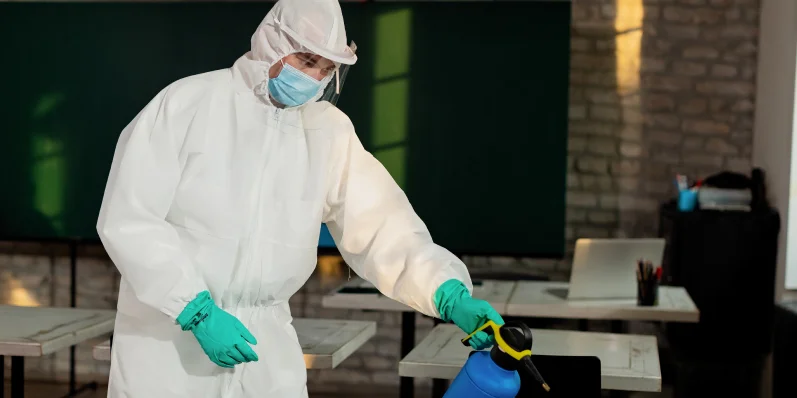
Sanitisation and disinfection on the other hand are misunderstood to be one and the same. They are not. Disinfection is what you do after the children at your premises are done for the day or even at frequent intervals after they play sessions. This is done to kill any germs that might have taken their place in the toys or the floor after they are done playing. This will prevent the next child who is using it from catching any new infections. Sanitisation on the other hand is done before a group of children enters the play area for preventing any germs from being present in the things they are about to use.
Sanitisation reduces the intensity of microbes present while disinfection cleaning actually kills almost every microorganism there is. No single solution is going to be enough to do both.
2. Educate About The Supplies
Your childcare center must ensure safety not just from the infectious germs there are but also the harmful side-effects of the potential chemicals that you might use. The supplies that you use must not be corrosive or even remotely toxic. Children’s health is at stake here and you must be as conscious as you can be.
Always ensure to pay attention to the details that are put on the label. Always prefer an organic and eco-friendly chemical like we at JBN Cleaning do. Choose commercial-grade supplies at all costs.
3. Standard Pattern For Sanitisation
Ensuring Full Coverage
Making sure that your sanitisation routine covers every hidden corner is important. Especially at least in the areas and things that are in the immediate reach of children.
Common Areas
Clean and then sanitise the entryways, doorways, shared areas, the diaper changing section, kitchens, and play areas. Cover the whole area including the door handles, light switches, floors, walls, and railings that are present in these.
Play Area Cleaning And Sanitisation
Use a dishwasher for the initial cleaning of your small durable toys. Handwash the rest. Sanitisers are not going to clear their surface dust particles. So, it is important that you water wash them before using sanitisers.
Bathrooms
Every corner of your restroom from the sink, floor, or walls to your toilet seat or the flush knob carries 10x the amount of germs than the other spaces and they require comprehensive attention like nowhere else. Hiring a childcare cleaning service in Sydney can help you completely to take care of these with their keen experienced eye.
Food Areas
This can be the messiest place in a daycare environment. Tables, chairs, trays, and even the chair railings need to be sanitised prior before you take the children there. Colour coded microfiber cloths can be useful to wipe different spaces, so you don’t mix things up and use previously utilised cloth in the other fresh places.
Frequently Asked Questions
What is the difference between sanitising and disinfecting in a childcare centre?
Sanitising reduces the number of microbes on a surface; disinfecting kills almost all of them. They are not interchangeable, and no single product does both well. Most centres need both, used at different points in the day.
When should you sanitise and when should you disinfect?
Sanitise before a group of children enters a play area, so the things they are about to touch start clean. Disinfect after play sessions and at the end of the day to kill germs left on toys and floors before the next group uses them.
Which cleaning chemicals should not be used in a childcare centre?
Avoid bleach where you can; it is a respiratory irritant, and children tolerate it poorly. If it must be used, dilute it correctly. Avoid quaternary ammonium compounds, which can irritate skin and eyes and are linked to asthma. Avoid DIY mixes, because the dose is guesswork
What are the safer sanitising options for childcare centres?
Hydrogen peroxide combined with citric acid handles most surfaces, including areas where urine, sweat, or faeces have spilled. L-lactic acid works where you would otherwise reach for bleach. Organic and eco-friendly sanitisers are harder to source but worth the search.
How should toys be cleaned and sanitised?
Wash first, sanitise second. Sanitiser does not lift surface dust, so toys need washing before it will work. Small durable toys can go through a dishwasher; everything else is hand-washed.
Which areas of a childcare centre need the most attention?
Bathrooms carry far more germs than anywhere else — sink, floor, walls, toilet seat and flush handle. Food areas come next: tables, chairs, trays and chair railings, all sanitised before children sit down. Use colour-coded microfibre cloths so a cloth used in the bathroom never reaches a food table.
Final Thoughts…
It is always advisable to outsource the sanitisation of your childcare center to a professional that is backed by experience. The more you know about the methods, procedures, and processes involved, the better you’ll be able to ensure proper safety.
