A restaurant cleaning schedule covers dining room floors, tables, chairs and banquettes, entry glass and matting, the bar front and the floor behind the bar, customer toilets, kitchen floors, drains and the bin area, and staff areas. Floor resealing and upholstery extraction are periodic. Cooking equipment, cool rooms and canopies are not ours.
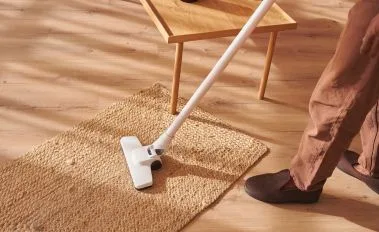
Dining room. Floors swept and mopped to the edges and under banquettes, tables and table bases, chair legs and the rungs where feet rest, booth seating and the gap behind it, skirtings, and the light fittings and shelf ledges that collect grease-laden dust in any room next to a kitchen.
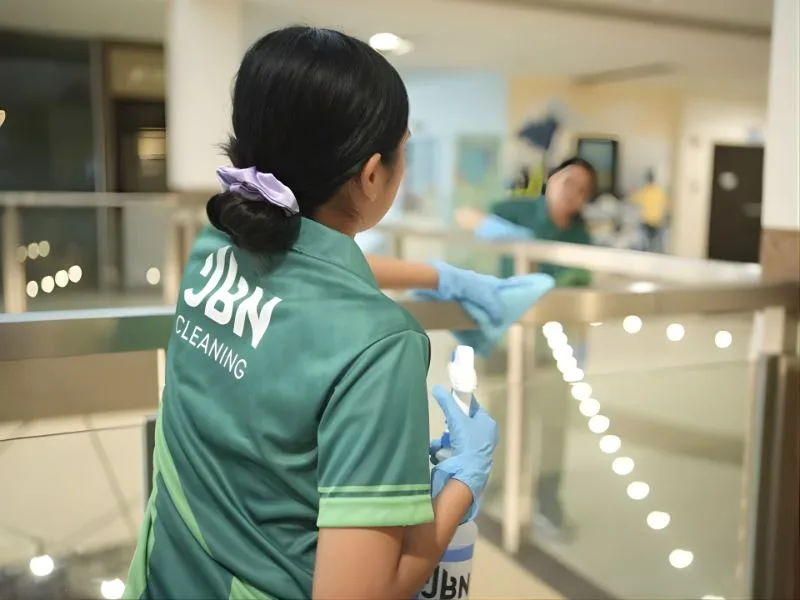
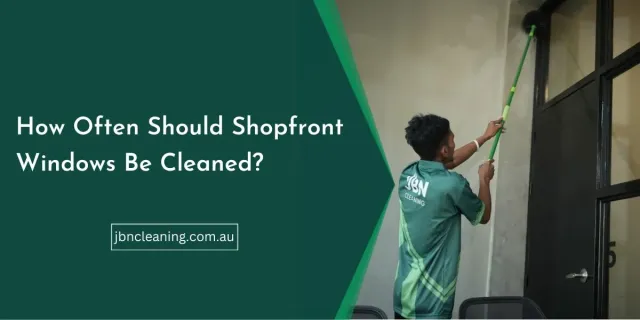
Entry and window line. Glass inside and out, door furniture, matting lifted and cleaned under, and the footpath frontage where the venue is permitted to maintain it.
Bar and service areas. The customer side of the bar, bar front and foot rail, service station floors, and the floor behind the bar, which is the most consistently neglected surface in any venue and the one that smells first.
Customer toilets. Every visit, thoroughly, with consumables restocked. In hospitality this is the single largest driver of a bad online review that has nothing to do with the food.
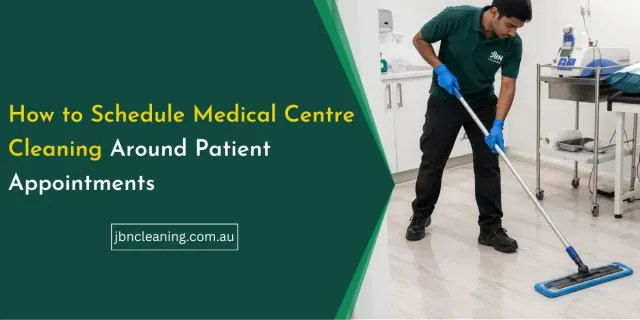
Back of house floors and waste area. Kitchen floors including under and behind equipment where access allows, drains and grate surrounds, the bin area and the path to it. Grease on a kitchen floor is a slip hazard for your staff before it is anything else.
Staff areas. Change area, staff toilet and the break space.
Periodic. Hard floor stripping and resealing, tile and grout deep cleaning in back of house, high dusting, upholstery and banquette extraction, and full external glass. Quoted as separate lines and scheduled into a closure day.
Not ours. Cooking equipment, food contact surfaces, cool rooms and exhaust canopy interiors. Canopy and duct cleaning in particular is a specialist trade with its own certification requirements, and a general cleaner should not be offering it.