
Complete Guide To Clean Up Oil Spills And Stains In The Factory
Oil spills on factory floors aren’t just an eyesore, they’re dangerous and costly. Whether it’s machine leaks, vehicle drips, or accidental spills, cleaning oil stains properly is necessary. Keeping your factory floor clean is crucial for safety, efficiency, and compliance. Oil spills and stains are common in industrial settings, but if not handled properly, they can lead to slips, equipment damage, and long-term stains.
Why Oil Spills On Factory Floors Are A Serious Problem?
Oil spills in factories aren’t just messy—they’re hazardous. Here’s why quick and proper factory floor cleaning matters:
- Safety: Oil makes floors slippery, increasing the risk of accidents.
- Equipment Protection: Oil buildup can damage machinery and flooring.
- Compliance: Many industries have strict cleanliness regulations.
- Longevity: Regular cleaning extends the life of your floors.
Now, let’s dive into the best methods for clean oil stains from factory floors.
Step-by-Step Guide To Cleaning Oil Stains In Your Factory
Cleaning oil spills requires the right techniques, tools, and timing. Here’s how to clean up oil spills and stains the right way.
1. Act Fast
The quicker you respond, the better. Fresh oil is easier to remove before it seeps into concrete or porous flooring.
- Block off the area to prevent slips or spreading.
- Alert your team to avoid traffic through the area.
2. Absorb The Excess Oil
Use absorbent materials to soak up the surface oil.
Common Absorbents
- Industrial absorbent pads
- Sawdust
- Cat litter
- Baking soda
Let the material sit for 15–30 minutes, then sweep it up and dispose of it according to local regulations.
3. Apply A Degreaser or Industrial Cleaner
Choose a commercial-grade degreaser suitable for your floor type (e.g., concrete, epoxy-coated, or tile).
- Apply the oil remover or degreaser generously over the stain.
- Let it sit for 10–15 minutes.
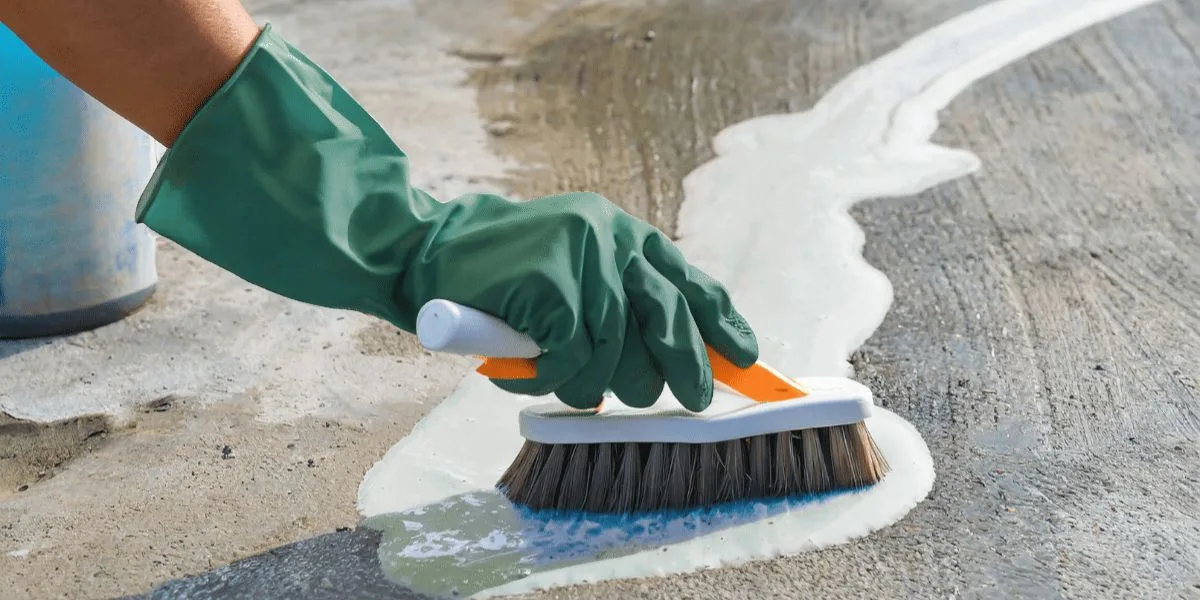
- Scrub the area using a stiff-bristled broom or floor scrubber.
Pro tip: Use a degreaser that is biodegradable and safe for industrial use to stay eco-compliant.
4. Power Wash or Rinse Thoroughly
After scrubbing
- Rinse with hot water using a pressure washer or high-flow hose.
- Use a wet vacuum to collect the rinse water and prevent it from spreading.
Make sure the residue is fully removed. Repeat the process if needed for deep-set stains.
5. Dry And Inspect The Area
- Use industrial fans or air movers to dry the area.
- Inspect the spot to ensure no slick or shiny residue remains.
If the stain persists or if there are repeated oil issues, it might be time to consult a best commercial cleaning company in Sydney.
Choosing the Right Factory Floor Cleaning Method
Different factory floors need different cleaning techniques. Here’s a quick comparison.
| Floor Type | Recommended Method | Notes |
|---|---|---|
| Concrete | Degreasing + power washing | Watch for deep absorption |
| Epoxy-coated | Soft scrub + non-abrasive degreaser | Avoid harsh brushes |
| Tile | Mop + neutral pH cleaner | Grout may absorb oil |
| Rubber or vinyl | Manual wipe + low-moisture scrubber | Avoid standing water |
For complex surfaces or mixed material floors, consult professionals who specialize in factory cleaning.
Mistakes to Avoid When Cleaning Oil Stains
- Delaying Cleanup: Oil sets quickly and becomes harder to remove.
- Using The Wrong Cleaner: Harsh chemicals can damage surfaces or create toxic fumes.
- Skipping Proper Disposal: Oily waste may require special handling under environmental laws.
- Ignoring Repeat Leaks: Chronic leaks may signal equipment issues or process failures.
Avoiding these mistakes can save you time, money, and compliance headaches.
Conclusion
Stop wasting time battling oil stains alone. For reliable, professional help with factory cleaning and cleaning oil stains, JBN Cleaning has the experience and tools to keep your facility spotless and compliant, every time.
