
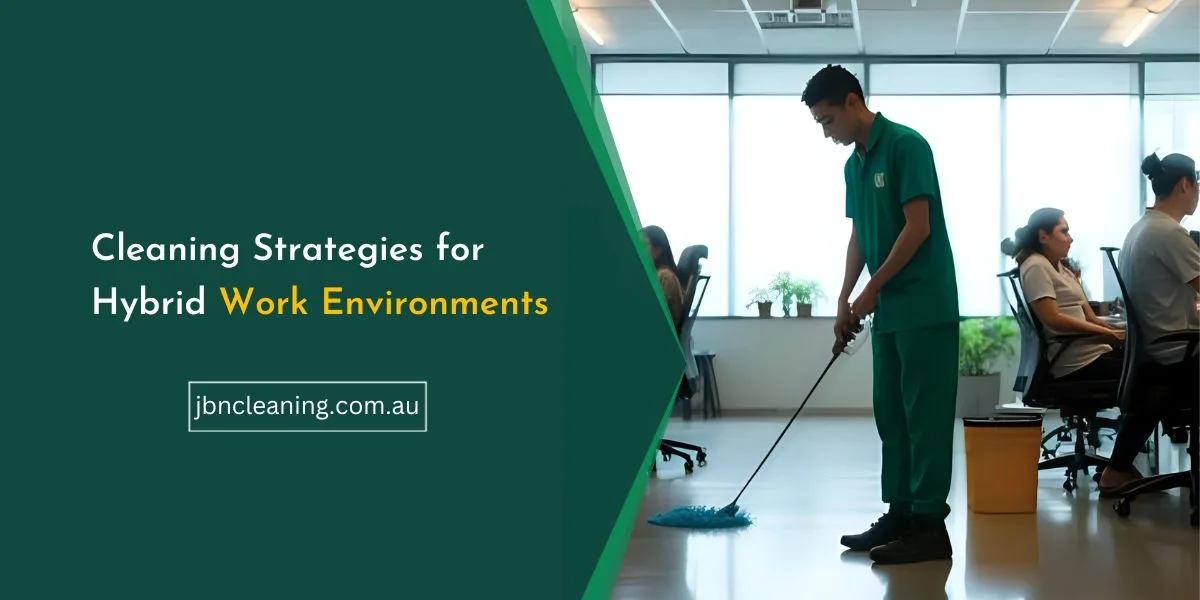
Effective Cleaning Strategies for Hybrid Work Environments
Hybrid work environments are changing the way offices stay clean. With employees splitting their time between home and office, businesses must implement hybrid office cleaning strategies to keep workspaces safe, welcoming, and productive.
Focusing on high-touch surfaces, maintaining regular cleaning schedules, and using the right products form the foundation of best office cleaning practices. These measures help prevent the spread of germs and ensure that both in-office and remote employees feel secure and productive.
Adopting smart cleaning strategies also supports overall workplace wellness. Implementing office sanitation for hybrid work boosts employee confidence, reduces illness-related absences, and creates a professional environment that reflects your company’s commitment to health.
1. Target High-Touch Zones First
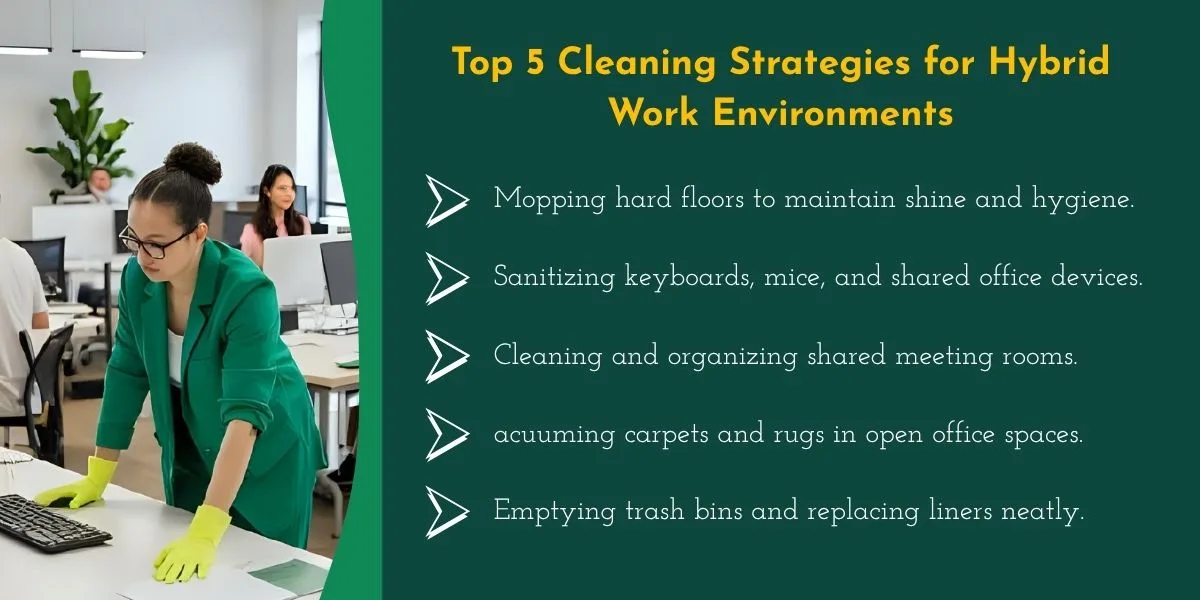
High-touch zones in your office, such as door handles, keyboards, and shared equipment, collect germs faster than other surfaces. Ignoring these areas can allow bacteria and viruses to spread quickly, putting your employees at risk. By prioritising cleaning on these critical spots first, you create a healthier and safer workspace for everyone.
Daily focus on high-touch areas not only reduces the risk of illness but also boosts employee confidence. Staff feel more secure and motivated when they see shared surfaces being properly sanitised. Focusing on these hotspots first ensures that your cleaning efforts make the maximum impact without wasting time on low-risk areas.
Consistent care for high-touch zones promotes a culture of hygiene and responsibility. Small daily practices, like wiping keyboards or disinfecting door handles, prevent contamination from spreading throughout the office. Over time, this approach keeps your workspace professional, germ-free, and productive.
High-Touch Areas to Focus On
- Door handles and push plates stay germ-free with daily wipes
- Keyboards and mice stay clean every single day
- Printers and copiers sanitise buttons and screens after use
- Meeting room surfaces stay spotless after every session
2. Stick to a Smart Cleaning Routine
Maintaining a clean office isn’t just about occasional deep cleaning; it’s about consistency. Implementing office cleaning on a regular schedule keeps your workspace hygienic and inviting every day. By following a smart routine, you prevent dirt, dust, and germs from accumulating, ensuring a healthy environment for everyone.
Adjust your cleaning times based on in-office days and peak usage areas. For hybrid work environments, relying on a trusted commercial cleaning company ensures that high-traffic zones get attention when they need it most. Consistent cleaning builds a sense of order and professionalism, making your office both productive and welcoming.
Smart Cleaning Tips
- Schedule daily cleaning for high-touch areas and shared spaces
- Align cleaning routines with in-office and hybrid work days
- Use checklists to ensure no area is overlooked
- Adjust frequency based on traffic and usage patterns
3. Encourage Personal Desk Hygiene
Maintaining personal desk hygiene is one of the simplest yet most effective ways to keep your office healthy and productive. Encourage employees to wipe down their desks, keyboards, mice, and other devices daily. In hybrid work setups, where staff alternate between working from home and the office, these small habits prevent germs from accumulating and spreading throughout shared spaces.
Personal desk hygiene also reinforces responsibility and workplace discipline. When employees take ownership of their own workspace, it reduces the burden on cleaning staff and ensures that high-touch surfaces remain sanitised. A clean personal area not only minimises the risk of illness but also promotes focus, organisation, and a professional atmosphere in the office.
Regular hygiene routines contribute to a culture of cleanliness. Even simple actions, like storing personal items neatly, sanitising office tools, and wiping devices at the start or end of the day, create a noticeable difference in overall office sanitation. These daily practices compound over time to keep your hybrid workspace safe, efficient, and welcoming for everyone.
Practical Desk Hygiene Tips
- Wipe desks and devices daily to prevent germ buildup
- Keep personal items organised for easy cleaning
- Sanitise shared stationery and office tools regularly
- Use disinfectants safe for electronics and screens
4. Install Accessible Hand Sanitiser Stations
Hand hygiene is the first line of defence against germs in any office. Installing sanitiser stations in key locations makes it easy for employees and visitors to clean their hands regularly. In hybrid workplaces, where staff move between home and office, easy access to sanitisers ensures a healthier, safer environment for everyone.
Key Sanitiser Placement Points
Entrances
Place sanitisers right at office entrances. Everyone can quickly sanitise their hands as they walk in, preventing germs from spreading throughout the workspace.
Meeting Rooms
Keep sanitisers inside or just outside meeting rooms. Encourage employees to clean their hands before and after meetings to reduce contamination in shared spaces.
Hot-Desks
Install stations near hot-desks and shared workstations. This allows employees moving between desks to sanitise quickly, keeping high-touch areas clean and germ-free.
Common Areas
Set up sanitisers in breakrooms, near printers, and by elevators. High-traffic zones are hotspots for germs, so easy access encourages regular use and keeps everyone safe.
5. Go Touchless Wherever Possible
Minimising physical contact with surfaces is one of the most effective ways to reduce the spread of germs in your office. Motion-sensor taps, automatic soap dispensers, and hands-free bins cut down touchpoints, keeping employees safe and shared spaces cleaner. In hybrid work environments, where staff alternate between home and office, touchless solutions ensure consistent hygiene even with fluctuating occupancy.
Implementing touchless technology also improves convenience and workflow. Employees don’t have to pause or wait to sanitise their hands, use bins, or access facilities. Fewer touchpoints not only reduce germs but also create a modern, professional office atmosphere that supports productivity and wellness.
Regular use of touchless solutions reinforces healthy habits across the office. From the moment employees enter the building to their daily tasks, having easy access to hands-free options promotes a culture of cleanliness. Over time, these small changes lead to a safer, more hygienic, and efficient workplace.
Top Touchless Solutions
- Motion-sensor taps wash hands without touching handles
- Automatic soap dispensers provide soap with zero contact
- Hands-free bins allow waste disposal without touching the lids
- Automatic doors, water fountains, and digital sign-ins reduce shared contact
6. Use Cleaning Checklists & Digital Tracking
Maintaining a clean office is easier when everyone knows what needs to be done and when. Using a visible cleaning checklist or a digital tracking system ensures that every task is accounted for and nothing is missed. This approach promotes consistency, reduces oversight, and makes hygiene management more efficient.
In hybrid offices, where employees rotate between home and office, checklists and tracking systems provide transparency. Staff can see that shared areas are cleaned regularly, fostering trust and confidence in the workplace. It also helps cleaning teams stay organised and manage high-touch areas effectively.
Digital tracking adds an extra layer of accountability. Managers can monitor completion in real time, generate reports, and adjust schedules based on usage patterns. This technology-driven approach reinforces hygiene as a top priority and supports a healthier, more productive office environment.
Key Cleaning Checklist Tips
- Create a visible checklist for daily cleaning tasks
- Use digital tracking to monitor completion in real time
- Include high-touch areas and shared equipment in every round
- Adjust schedules based on office traffic and hybrid work patterns
Final Thoughts on Hybrid Work Environments
Maintaining a clean and hygienic office requires a combination of smart strategies, consistent routines, and employee participation. Commercial cleaning of hybrid offices ensures that high-touch zones are sanitised, personal desk hygiene is encouraged, touchless solutions are installed, and cleaning checklists are followed, making every step count toward a safer workspace.
Hybrid work environments make cleanliness even more important, as employees move between home and office. Prioritising hygiene in shared spaces not only reduces the spread of germs but also boosts confidence, productivity, and overall workplace satisfaction.
By implementing these practical cleaning strategies, businesses can ensure a healthier office while fostering a culture of responsibility and care. JBN Cleaning helps turn small daily actions into smart systems, creating a cleaner, safer, and more professional work environment for everyone.
