
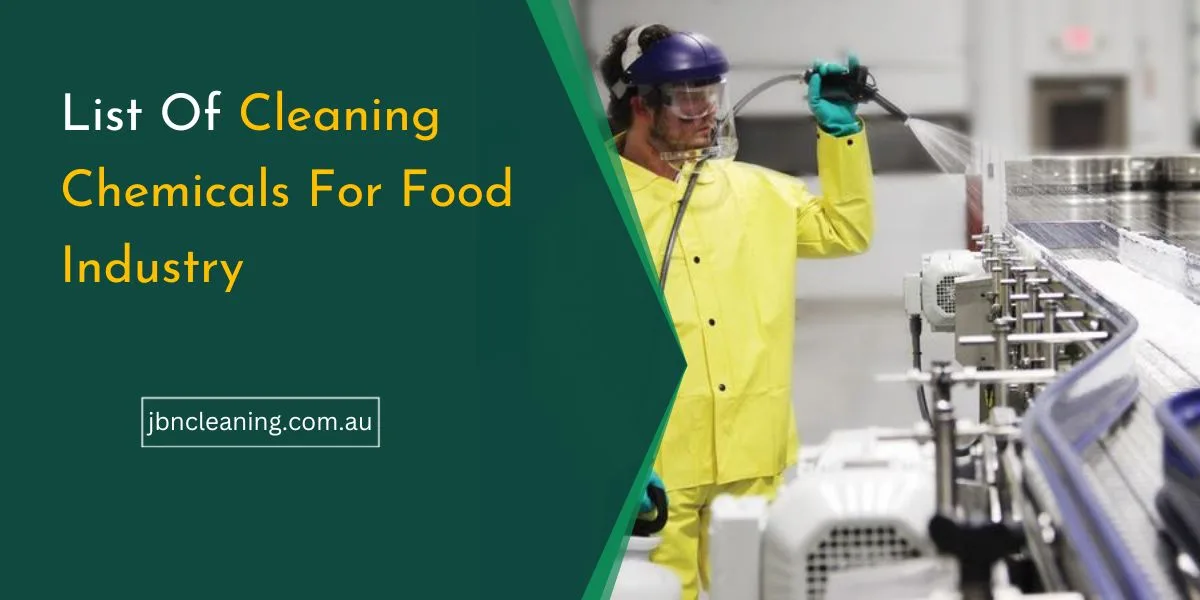
Top Cleaning Chemicals Used In The Food Industry
In the food industry, cleanliness isn’t optional. It’s a matter of public health and legal compliance. Whether it’s food processing, packaging, or handling, using appropriate cleaning chemicals for the food industry is essential to ensure safety, prevent contamination, and comply with local health regulations. They’re designed to handle bacteria, grease, and stubborn grime, all while being safe to use in areas that directly or indirectly come into contact with food. Using the right cleaning chemicals in the food industry doesn’t just improve product quality; it also keeps consumers safe and healthy.
So, in this blog, we’ll explore a detailed list of effective and widely used cleaning chemicals for the food industry.
Different Types Of Cleaning Chemicals For The Food Industry
1. Degreasers
One of the most commonly used chemicals in the food industry is degreasers. These are the trusted champions when oil, fats, or sticky residues are taking over. They’re especially useful in areas like fryer stations, grills, or food prep counters, where grease tends to build up in layers.
Solvent-Based Degreasers
Tough and fast-acting, but should be used with proper ventilation. These degreasers work well on stubborn grease and oil build-up on kitchen equipment and surfaces. They help keep food preparation areas clean and safe, but it’s important to handle them carefully to avoid any health risks.
Water Based Degreasers
Environmentally friendly and milder. Excellent for daily cleaning. They don’t damage surfaces and remove oil and grime gently. Regular use in areas where food is prepared is ideal because they are safer. These cleaning solutions are used by commercial cleaners because they cut through stubborn messes without damaging stainless steel surfaces or food-grade equipment.
2. Detergents
As everyone knows, detergents have a specific function in the food sector. Regular, routine cleaning is done using detergents, not more forceful degreasers. They eliminate light oil, food particles, and grime without causing surface damage or leaving dangerous residues in their wake.
In the food industry, detergents must be:
- Non-toxic
- Rinse-friendly
- Odourless or lightly scented
- Safe for use on food-contact surfaces
There are both alkaline and neutral detergents. Neutral ones are preferred for delicate surfaces, while alkaline types are more effective for protein and fat removal. Most industrial cleaning chemical kits will include both options for flexibility.
3. Sanitisers
Once the visible waste has been cleaned up, the next step involves handling invisible germs, such as viruses and bacteria. That’s where sanitisers come in. They aid in reducing bacteria to acceptable levels, which is crucial when it comes to raw meat, dairy, and prepared foods.
Quaternary ammonium compounds are among the frequently utilised sanitisers in food establishments. They kill a lot of bacteria while being mild. Chlorine-based sanitisers are inexpensive and effective, but they smell strongly. Peracetic acid is often used in dairies and breweries because it cleans well and doesn’t leave harmful residues.
Sanitisers are a must in industrial cleaning and are usually rotated to keep germs from getting used to one type and becoming tougher to kill.
4. Acid Cleaners
If your facility deals with hard water, dairy, or high-temperature processes, acid cleaners are a must. They tackle mineral deposits like calcium and lime, those chalky buildups that seem impossible to scrub off manually.
Many food industry cleaning chemicals are designed to alternate between acid and alkaline cleaners to keep surfaces balanced and free from both organic and inorganic buildup.
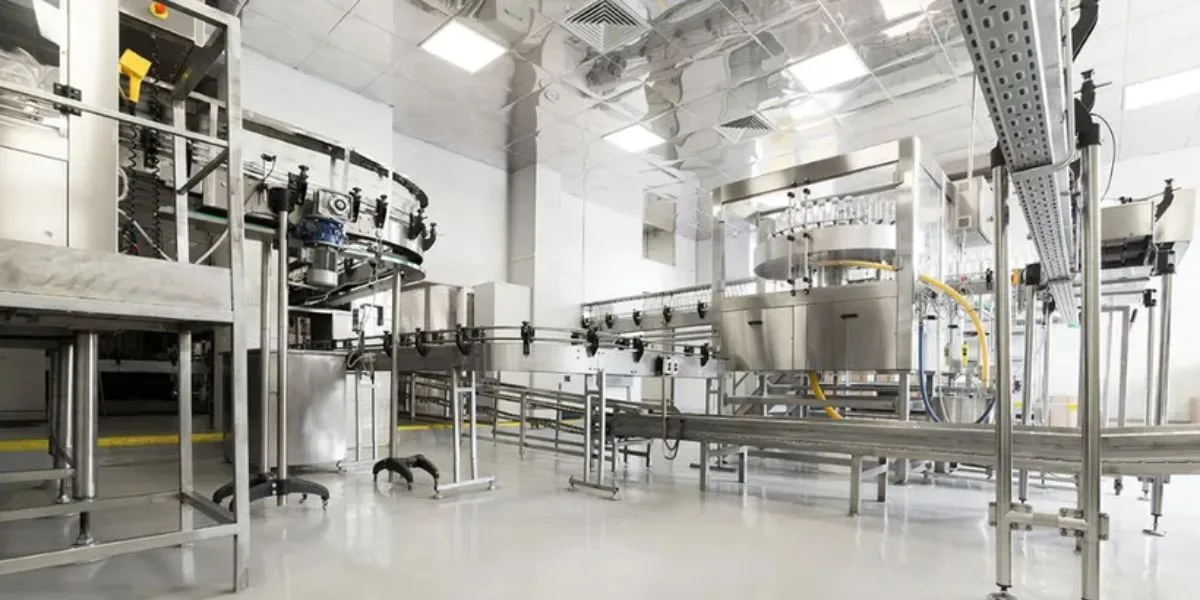
5. Foaming Cleaners
There’s something incredibly satisfying about a thick foam coating every nook and cranny. That’s not just a visual treat, it’s functional. Foaming cleaners are used because they cling to vertical surfaces and allow longer contact time, improving the chemical’s effectiveness.
Benefits of foaming cleaners:
- Great for large surface areas
- Easy to see coverage
- Often used in meat and poultry processing plants
These cleaners often come as part of foam systems that mix the chemical with air and water. For food facilities, they’re a big time-saver and help maintain consistency in cleaning routines.
Foaming alkaline cleaners are also used as a pre-cleaning step before disinfection. In industrial cleaning chemicals, it’s about layering: clean, then sanitise, then disinfect when necessary.
6. Disinfectants
Disinfectants go beyond sanitising. They kill nearly all microorganisms on surfaces, especially useful in high-risk areas such as meat cutting zones, egg-washing stations, or seafood processing lines.
Disinfectants must be used properly. Overuse can harm equipment and leave harmful residues, so training and proper dilution are key, a big reason industrial cleaning services often manage this part of the process.
7. Enzymatic Cleaners
Proteins, lipids, and carbohydrates are broken down by natural enzymes in enzymatic cleaners. They work wonders on difficult-to-clean areas where food particles may remain, such as tile grout gaps or drains.
Common enzymes used:
- Proteases (break down proteins)
- Lipases (target fats and oils)
- Amylases (remove starches and carbs)
What makes enzymatic cleaners great is their eco-friendliness. Many companies are shifting toward them to align with greener practices. These products are especially popular in food factory cleaning services that maintain both large facilities and small food production units, aiming for sustainability without compromising on hygiene.
8. Glass And Surface Cleaners
While not directly used on food-contact surfaces, glass and surface cleaners are still essential. Think about display cases, fridge doors, and food warming stations, anything customers or inspectors see first.
The key here is using non-toxic, streak-free cleaners that don’t leave behind odours or residues. In the food industry, appearances matter almost as much as hygiene. After all, no one wants to see fingerprints or smudges on the sneeze guard over the salad bar.
Choose The Right Food Factory Cleaning Chemicals For Better Hygiene
From heavy-duty degreasers to gentle enzymatic cleaners, every product has its place in maintaining a clean, safe food environment. The list of cleaning chemicals for the food industry isn’t just about power; it’s about precision, safety, and choosing the right tool for the job. With hygiene standards becoming stricter and customer expectations rising, investing in the right cleaning arsenal is more important than ever.
Whether you’re managing a high-volume restaurant or a small family-run cafe, keeping your space food-safe is non-negotiable. And if you ever need expert help, companies like JBN Cleaning specialise in factory cleaning services and understand the unique demands of the food world.
