
The Ultimate Cleaning Strategy for Offices with Open Floor Plans
The modern interior is now evolving. This is evident from all the open-plan spaces you see everywhere. It could be kitchens, homes, and even offices. These designs enhance productivity, collaboration, and transparency among coworkers. But that’s not all, open plan offices also come with their fair share of challenges. The absence of walls and private offices makes it much more difficult to keep the space clean. Open floor plans require more consistent, systematic, and thorough cleaning.
It is important for people who work in an open-plan office to maintain a clean-looking and healthy workspace for several reasons: appearance and health, employee productivity and well-being, and, ultimately, employee morale. Here is the best cleaning strategy and a detailed plan for cleaning an open-floor office.
Understand The Unique Challenges Of Open Office Spaces
Before we can get into the tactics, it is crucial to understand a few reasons why the maintenance of an open office might be more complicated.
High Traffic Areas
High traffic and utilisation of the shared spaces and paths means the flooring will show wear and accumulate dirt quickly.
Shared Equipment
Shared desks, printers, door handles, and shared and rented equipment are also a landing pad for germs to multiply.
Lack Of Barriers
With individual physical barriers being a rarity, sound, dust, and debris are more readily dispersed than in conventional offices.
Air Quality Concerns
Air supply in larger, more common workplaces is not well-ventilated. Larger spaces require more attention to air management.
Once we understand these factors, we can appropriately customise a cleaning plan that captures and adequately addresses all surfaces with special attention to the most used spaces.
Establish A Detailed Cleaning Schedule
An office cleaning schedule should include daily, weekly, and monthly tasks so no area is left. A sample breakdown is as follows:
Daily Cleaning Tasks
Desks And Workstations
Ensure all surfaces are disinfected thoroughly.
Floors
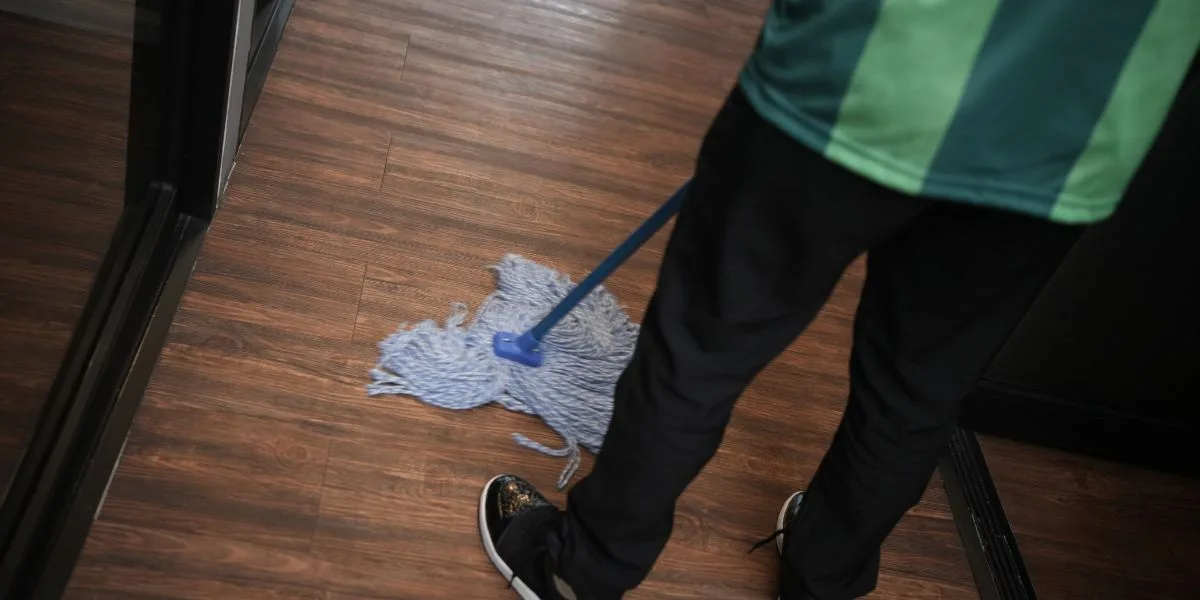
Vacuum carpets and mop the floors; this is most important in high-traffic, high-touch areas like entryways and break areas.
Recycling
Regularly empty and sanitise the bins. It will help eliminate active odours after daily use and pest issues.
Restrooms And Kitchens
Sanitise all surfaces and refill products; sanitise sinks and appliances.
High Touch Surfaces
Multiple times per day, clean all handles (door, light), elevator buttons, and any shared equipment.
Weekly Cleaning Tasks
Glass And Windows
Clean all inside windows and glass partitions to remove smudges and fingerprints.
Furniture and Upholstery
Vacuum chairs and sofas, and wipe down all non-porous surfaces.
Keyboard And Technology Sanitising
Use disposable, safe wipes to clean the keyboard, mouse, and telephones.
Monthly CLEANING Tasks
Air Vents And Filters
Clean or replace HVAC filters to ensure high air quality.
Clean Your Carpets
Steam clean or hire a professional commercial cleaning company to deep clean the carpets to eliminate trapped dirt.
Inventory And Stock
Review janitorial supplies and reorder or refill stock items.
Zone-Based Cleaning Approach
Large open spaces should be divided into zones to ensure comprehensive coverage. Assigning cleaning responsibilities by zone (either to staff or an outsourced service) can increase accountability and reduce overlooked areas. Zones might include:
- Workstations
- Conference Areas
- Lounge Zones
- Reception Areas
- Break Rooms
- Restrooms
Incorporate Green Cleaning Practices
For a majority of companies, sustainability is an increasing priority. Green cleaning practices in an open office space may reduce environmental impact and improve employee wellness.
Non-Toxic Products
Use certified green products that do not require harsh chemicals.
Waste Reduction
Use reusable microfiber towels and refillable dispensers.
Air Quality Improvement
Plants naturally clean the air and absorb toxins and chemicals.
Utilise Professional Cleaning Services
While in-house staff can clean up after minor day-to-day jobs, hiring a professional cleaner provides the expertise and cleaning equipment necessary for deep, thorough, and regular cleanliness. Advantages of using professionals
Consistency
Cleaning companies have strict office cleaning checklist that they adhere to.
Expertise
Trained staff know how to thoroughly sanitise all areas.
Time-Saving
Your staff can concentrate on their job instead of worrying about hygiene.
Customised Services
There exist many services available that provide customised office cleaning packages for open-plan offices. Plus, you can often have them after hours.
Look for vendors with experience in commercial spaces, proper licensing, and eco-conscious cleaning options.
Promote A Clean-Desk Policy
A clean-desk policy requires employees to clear their desks at the end of each day. It keeps the office neat and makes the daily cleaning hassle-free.
- Include desk wipes or sprays at every station.
- Post reminders or simple infographics promoting cleanliness.
Such a policy can also support data security and reduce visual clutter, helping employees stay focused.
Engage Employees In Cleanliness Culture
Creating a clean office is not simply the janitor’s task — it requires a culture change that involves everyone. Ways to engage employees:
Training
Conduct brief training on hygiene and cleanliness of workspaces.
Signs
Install signs to promote cleaning behaviour (e.g., Please wipe down after use).
Recognition
Provide awards to calm individuals who maintain a clean workstation.
When employees take ownership of their shared space, cleanliness becomes a collective value.
Use Technology To Streamline Cleaning Operations
Modern office technology can enhance your cleaning strategy. Some options include:
Cleaning Applications
Track tasks, book services, and monitor the use of supplies.
Sensor-Based Monitoring
Attach a sensor to your soap dispensers, paper towel dispensers, air quality regulators, etc., which will then send alerts to notify you when maintenance is required.
Booking Software
Offer a booking system for shared spaces, such as a conference room, and add buffer time for cleaning.
Automation and data tracking result in an efficient use of resources and service gaps.
Monitor And Evaluate Regularly
An effective strategy is never static. Schedule regular audits or check-ins to evaluate cleanliness standards and adjust routines accordingly.
Conduct Surveys
Ask employees for feedback on the cleanliness of shared spaces.
Update Based On Season
For example, increase disinfecting during flu season or enhance allergen control in spring.
Adaptability keeps your cleaning strategy effective and responsive to changing needs.
A Cleaner Workplace Starts With The Right Support
While an open floor plan does allow for greater collaboration and creativity, it also requires more responsibility for cleanliness. If you have clear and consistent professional assistance, staff responsibility, and environmentally friendly practices, your office can be clean, hygienic, welcoming, and productive all at once.
Cleanliness is an investment, which is one of the aesthetics and the health of the individuals occupying the space regularly. Don’t leave office hygiene to chance. Team up with JBN Cleaning a trusted name in commercial cleaning services. With experienced commercial cleaners taking care of the details, an open-plan office can stay spotless, safe, and ready for everything the day brings.
